The refusal is usually about something else
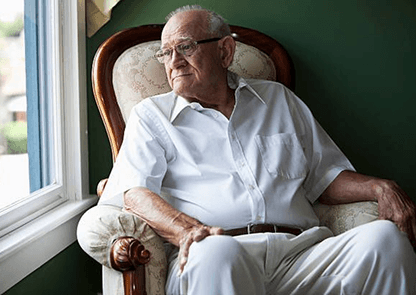
hen an older person says they do not need help, they are rarely disputing the facts. They know the stairs have got harder. What they are defending is the thing underneath: the sense that they are still the person who decides how their own day goes. Accepting help can feel like conceding that. And once a conversation becomes about whether they are still capable, nobody wins it, because the honest answer costs them too much to say out loud.
What tends to make it worse
Arriving with a solution already chosen. If the brochures are on the table before your father has said a word, the conversation is a notification rather than a discussion, and people push back on notifications. Building the case with evidence. Listing the missed appointments and the unopened post feels like preparation. It lands as a prosecution. Doing it with three siblings present. It becomes an intervention, and the natural response to an intervention is to defend yourself. Leading with the word care. For a lot of people in their eighties, that word means nursing homes and losing the house. They are answering a question you did not ask.
What tends to work better
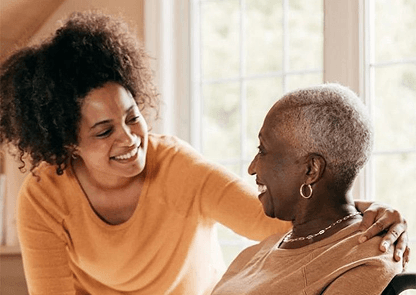
Ask rather than propose. "What's the most annoying part of the week at the moment?" gets a real answer far more often than "would you like some help?" People will readily complain about the bins or the pharmacy queue while refusing help in the abstract. Start with the boring thing. Admin, shopping, lifts to appointments. These carry no dignity cost, so they are easy to say yes to, and they are usually where the actual strain is. Personal care, if it is ever needed, is a much easier conversation once someone already knows and likes the person coming. Make it about you. "I'd worry less if someone called in on a Tuesday" is honest, and it gives your mother a way to accept help as a favour to you rather than a concession about herself. That reframing does a lot of work. Try it once, not forever. A month, then a review. Permanent arrangements feel like a door closing. Most people who agree to a trial simply carry on. Let them meet the person. Abstract help is threatening. A specific person who turns up on Thursdays and remembers the grandchildren's names is just someone they know.
If the answer is still no
Unless there is a real safety risk, a no is theirs to give. Pushing harder usually costs you the goodwill you will need for the next conversation. Leave it, keep visiting, and wait for the moment when something concrete goes wrong: a fall, a bad week, a hospital discharge. Those moments open the door, and it helps enormously to already know who you would ring. That is often what a consultation is for. Not to arrange anything today, just so the option exists when you need it.
If you want to talk it through
We speak with families at this stage constantly, often months before anything is arranged. If you are trying to work out how to raise it, or whether it is even time yet, book a free consultation. There is no obligation, and no brochures for the kitchen table.